
Nail extensions have become a popular procedure among women seeking the perfect manicure. The question of which material to choose for building — acrylic or gel — worries many. In this article, we will look at the main characteristics and advantages of each of these materials to help you make an informed choice. The article will also be useful for those who He is professionally engaged in manicure and nail design, but has not yet tried out work in both popular areas – both acrylic and gel extensions. So, let’s figure out the difference between gel and acrylic.
It should be noted right away that the comparison in the spirit of “Which is better?” is initially not quite correct, the gel and acrylic systems are simply different. And who likes what is an individual question.
Both systems use polymers. Acrylic was invented earlier, and a gel for nail extensions was already developed on its basis.
Acrylic extension system
Initially, the masters used materials borrowed from dentists to create acrylic nails, later this direction began to develop independently. At first, the composition included ethyl methacrylate, which was later recognized as toxic, and banned in 1974. This element was replaced with a more “humane” ethyl methacrylate.
This polymer no longer harmed the nail plate and did not harm the health of the master, who constantly works with acrylic extensions. In the future, the technology improved, became safer and more “obedient” in operation. The original hard and inflexible acrylates have gone into oblivion and now acrylic nail extensions are a beautiful look and protection of natural nails from environmental influences.
A significant disadvantage of the acrylic system is that the nails are pre-sawdust, that is, the mechanical removal of a thin top layer. In connection with this nuance, acrylic extensions are not suitable for those young ladies who have very thin nails by nature.
Acrylic build-up takes place according to the scheme: moistening the brush with a liquid monomer (liquid), adding a special powder to the brush and modeling the nail using a mold or tips. Such nails harden in the air.
Acrylic nails are considered the most durable today. They do not break even with significant bends, they do not crack. This type of extension is suitable for women who lead an active lifestyle and often break their own nails.
Acrylic nails are removed after a bath in a special solution.
### Advantages of acrylic: 1. Durability: Acrylic nails are highly durable and resistant to damage. They can withstand significant loads. 2. Fast process: Acrylic build-up usually takes less time than gel. This is due to the fact that acrylic hardens faster. 3. Easy to correct: If the nail breaks or gets damaged, it can be easily repaired by adding a new layer of acrylic. 4. Variety of shapes: Acrylic allows you to create different shapes and lengths of nails, which makes it ideal for creative designs.
### Disadvantages of acrylic: 1. Smell: The acrylic build-up process can be unpleasant due to the specific smell of the materials used. 2. Requires care: Improper application can lead to the formation of bubbles and irregularities on the surface of the nail. 3. Damage to natural nails: When removing acrylic, damage to the natural nail plate may occur.
Gel build-up
The next generation of nail extension materials is gel. It is also a polymer with which the nail is formed (like acrylic, on molds or tips, there are specialized overlays made of artificial material, imitating the nail plate in shape).
The peculiarity of gel extensions is that the possibility of an allergic reaction on the skin around the nails is practically excluded, which is not guaranteed by acrylic nails. In addition, the gel is acid-free, so it is chemically completely safe for natural nails.
When modeling nails with gel, the “native” nails are not cut off, which is why gel extensions are considered less traumatic compared to acrylic ones. However, this is not entirely true, because gel nails are removed only with sawdust.
If we consider the question of which is stronger, acrylic or gel, then acrylic wins. Gel nails are more fragile, they are easy to crack or break off the tip.
However, gel nails also have a positive effect on nails. They flatten the surface of the nail plate. The risk of fungal diseases is also excluded, since an ultraviolet lamp is used for solidification, and, as is known, UV rays have a disinfecting effect.
### Advantages of gel extension: 1. Natural Appearance: Gel nails look more natural and have a shiny surface, which makes them attractive. 2. Flexibility: Gel is more flexible than acrylic, which reduces the risk of breakage and damage. 3. Odorless: Unlike acrylic, the gel is practically odorless, which makes the procedure more comfortable. 4. Less damage: With proper gel removal, the risk of damage to natural nails is minimal.
### Disadvantages of gel extensions: 1. Long process: Gel buildup takes longer due to the need to use an ultraviolet lamp for polymerization. 2. The difficulty of correction: If the gel nail is broken, it is more difficult to repair than the acrylic one. 3. Cost: Gel extension services are usually more expensive due to the more complex process.
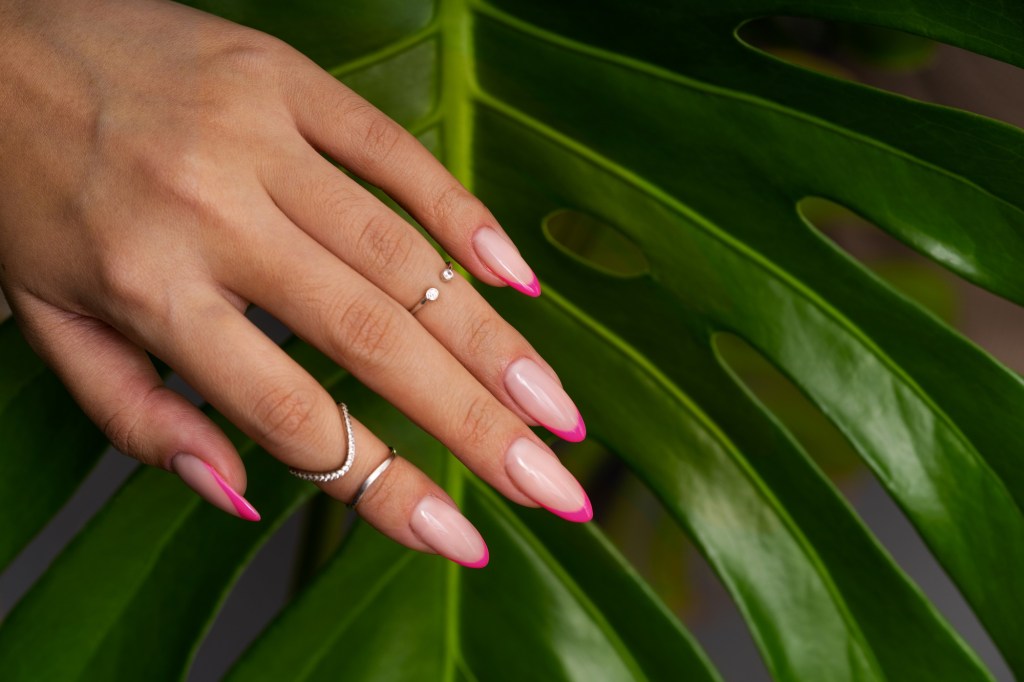
So, Nail extensions are a great way to emphasize your personality and well—groomed hands. Whichever material you choose — acrylic or gel — the main thing is that the procedure should be carried out in a professional salon using high-quality materials. This guarantees not only a beautiful result, but also the health of your natural nails.






 eWEErything
Leave a comment