
The resale industry is undergoing a permanent transformation, driven by changing consumer behaviors, technological advancements, and a growing emphasis on sustainability. Here are the key trends shaping the resale market today:
1. Fast Adoption of Resale
Resale is transitioning from a niche market to a mainstream shopping option, driven by changing consumer attitudes and the convenience of online platforms. According to the ThredUp Resale report 2024 Online resale will more than double in the next 5 years, growing at a CAGR of 17% to reach $40 billion in 2028. 63% of consumers who bought secondhand apparel in 2023 made a purchase online, up 17 pts from 2022. Here’s why this trend is gaining momentum:
- Online Resale as a Growth Driver: The rise of e-commerce has made resale more accessible than ever. Platforms like Poshmark, ThredUp, and Depop offer a seamless shopping experience, allowing users to browse a vast selection of pre-owned items from their homes. This convenience has attracted a broader audience, including those who may not have considered secondhand shopping before.
- Economic Factors: Recent global crises have made consumers more price-conscious. As people look for ways to stretch their budgets, resale provides an affordable alternative to buying new. This shift is particularly evident among younger generations, such as Millennials and Gen Z, who prioritize value and sustainability. A survey commissioned by Amazon reveals that 40% of Gen Z consumers anticipate that 75% of their purchases will be pre-owned within the next three years. Millennials are also embracing the resale market, with intentions to reduce new purchases by 37% in the next two years in favor of second-hand items.
- Cultural Shift: The stigma around buying secondhand has largely disappeared. Instead, resale is now seen as a smart, eco-friendly choice. Social media has played a significant role in normalizing pre-owned fashion, with influencers and celebrities showcasing their thrifted finds and encouraging others to join the movement.
- Expanding Demographics: While resale was once dominated by bargain hunters and vintage enthusiasts, it now appeals to a wide range of shoppers, from luxury seekers to everyday consumers. This inclusivity has fueled the rapid growth of the market.

2. Branded Resale: A New Frontier for Fashion
Brands can no longer ignore the resale industry. Recognizing its potential, more executives are integrating resale into their business models. According to the ThredUp Resale report 74% of retail executives who don’t currently offer resale are either considering or planning on getting into resale in the future, up 5 pts from 2022. Here’s how they’re doing it:
- Trade-In Programs: Brands like Zara, and Patagonia offer discounts or coupons in exchange for old clothing. These items are then resold, recycled, or donated, creating a circular fashion model.
- Dedicated Resale Platforms: Some companies are launching their own resale platforms. For example, Patagonia’s Worn Wear allows customers to buy refurbished items from the brand, emphasizing quality and sustainability.
- Collaborations with Resale Platforms: Brands are partnering with established resale platforms like ThredUp and Depop to reach new audiences and promote their products on the secondary market. This not only boosts sales but also enhances their reputation as eco-conscious companies.
- Educational Campaigns: Retailers are actively promoting the benefits of resale through marketing initiatives, highlighting how buying secondhand is stylish, affordable, and environmentally friendly.
Brands can no longer ignore the resale industry. Recognizing its potential, more executives are integrating resale into their business models.
3. Quality-Oriented Demand
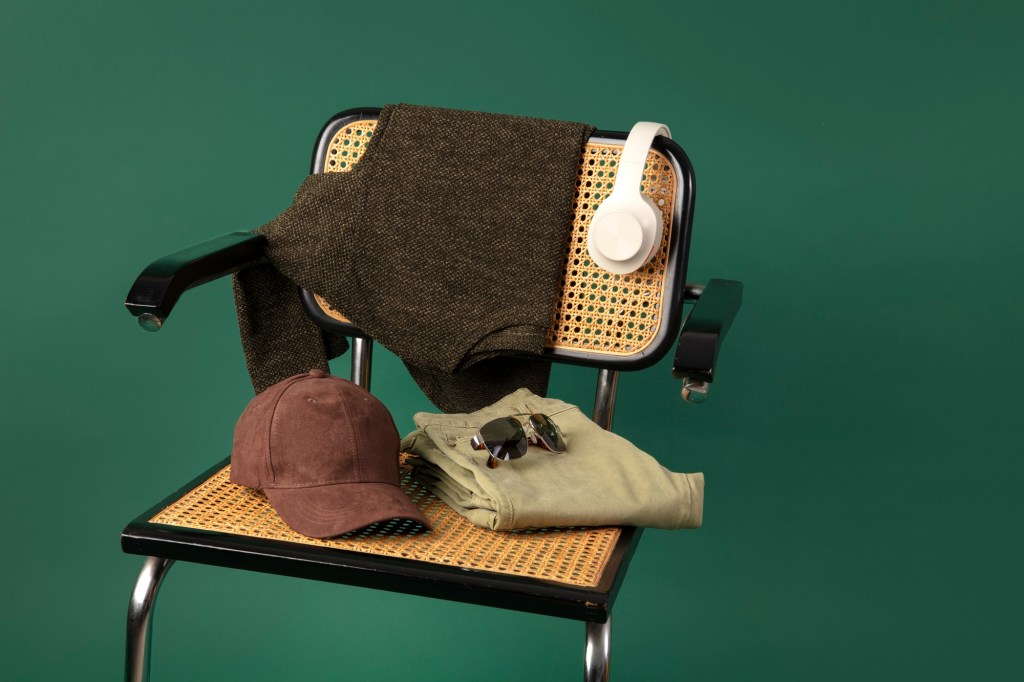
Consumers are increasingly prioritizing quality over quantity, and this shift is reshaping the resale landscape. Secondhand buyers are more likely to have high purchasing power (+26%) and to buy premium products (+66%) than average, indicating a preference for quality and sustainability. Here’s how the demand for high-quality, durable clothing is influencing the market:
- Rejecting Fast Fashion: As awareness of the environmental and ethical issues associated with fast fashion grows, consumers are seeking alternatives. Resale offers access to well-made, timeless pieces that stand the test of time, aligning with the values of conscious shoppers.
- Luxury and Premium Resale: The demand for high-end pre-owned items is on the rise. Platforms like The RealReal and Vestiaire Collective cater to this trend, offering authenticated luxury goods at a fraction of their original price.
- Investment in Wardrobe Staples: Buyers are focusing on versatile, high-quality items that can be worn for years rather than disposable fashion. This includes classic coats, tailored blazers, and durable denim. Resale platforms are curating collections to meet this demand, emphasizing items that combine style and longevity.
4. The Rise of Rental Fashion
Rental fashion is gaining traction as a sustainable and cost-effective alternative to buying new clothes. The global fashion rental market was valued at $6.63 billion in 2023 and is expected to grow at a CAGR of 9.3%, reaching approximately $12 billion by 2030. This trend is particularly popular among younger generations, such as Millennials and Gen Z, who value variety and experimentation without the commitment of ownership.
- Affordability and Accessibility: Renting allows consumers to wear designer pieces or special occasion outfits for a fraction of their retail price. Platforms like Rent the Runway, HURR, and Cloudset offer flexible subscription plans, making luxury fashion more accessible.
- Sustainability: By extending the lifecycle of garments, rental services reduce waste and the environmental impact of overproduction.
- Expanded Offerings: While rental initially focused on evening wear, it now includes everyday clothing, outerwear, and even sportswear, catering to a broader audience.
5. Micro Resale: Social Media as a Marketplace
Social media platforms have revolutionized the way people buy and sell secondhand items. Micro resale – small-scale, peer-to-peer selling – has become a thriving trend, thanks to the convenience and community-driven nature of social networks. According to the ThredUp Resale report 2024 23% of consumers prefer to buy preloved through social media platform and 18% prefer livestream shopping.
- Ease of Use: Platforms like Instagram, TikTok, and Facebook Marketplace enable sellers to list items quickly and buyers to discover unique finds without intermediaries.
- Direct Interaction: Buyers can negotiate prices, ask questions, and request additional photos or videos, fostering trust and transparency.
- Visual Storytelling: Social media’s visual nature makes it ideal for showcasing products through Stories, live streams, and short videos. TikTok, for instance, has become a hub for unboxing videos and vintage fashion hauls.
- Niche Communities: Sellers can target specific audiences by joining groups or accounts dedicated to particular styles or brands, making it easier to connect with like-minded buyers.
The resale industry is evolving rapidly, driven by trends like fast adoption, branded resale, quality-oriented demand, rental fashion, and micro resale. These trends reflect a broader shift toward sustainability, affordability, and innovation in the fashion world. As consumers continue to embrace secondhand shopping, resale is poised to become an integral part of the global fashion ecosystem, offering both economic and environmental benefits.
Author:
Ira Batukaeva, resale industry expert and consumer behavior researcher. This article was prepared in collaboration with WEE.ae is a proprietary shopping platform that unites over 500 sellers (across 15 product categories) in the UAE. It specializes in product delivery using 1P, 2P, 3P, and dbs models and offering store-to-door delivery within one hour or in a convenient time slot in the UAE. The platform has been active in the MENA region for over two years. With its Seller Academy, it shares valuable market expertise with vendors.







 eWEErything
Leave a comment