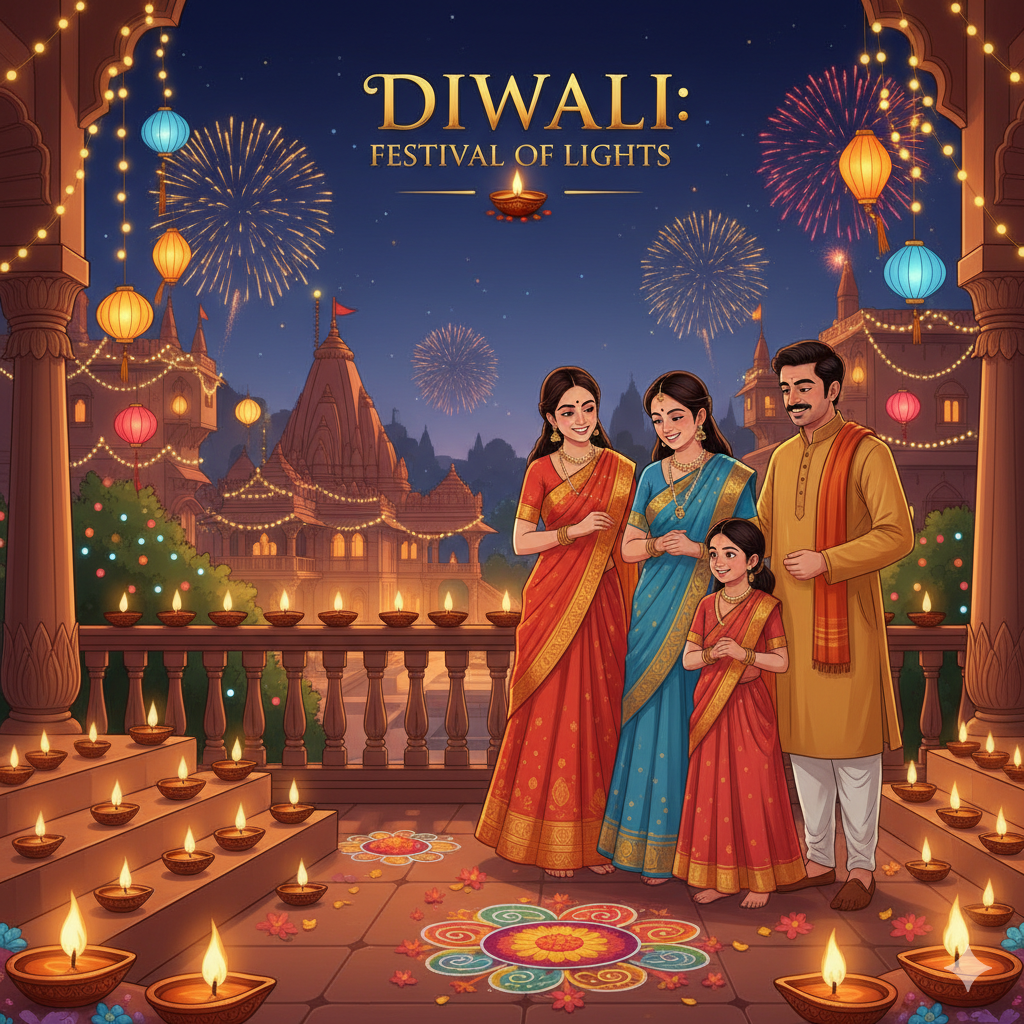
Every autumn, India and millions of Indians around the world light up their homes and streets with thousands of small lamps.
On rooftops and balconies, oil lamps and garlands glow, filling the air with the scent of sweets and incense. It’s Diwali, or Deepavali – the “row of lights.”
The festival celebrates the victory of light over darkness, good over evil, and knowledge over ignorance. But more than anything, it’s a time for family – when homes fill with warmth, and hearts with gratitude.
A Festival Beyond Borders
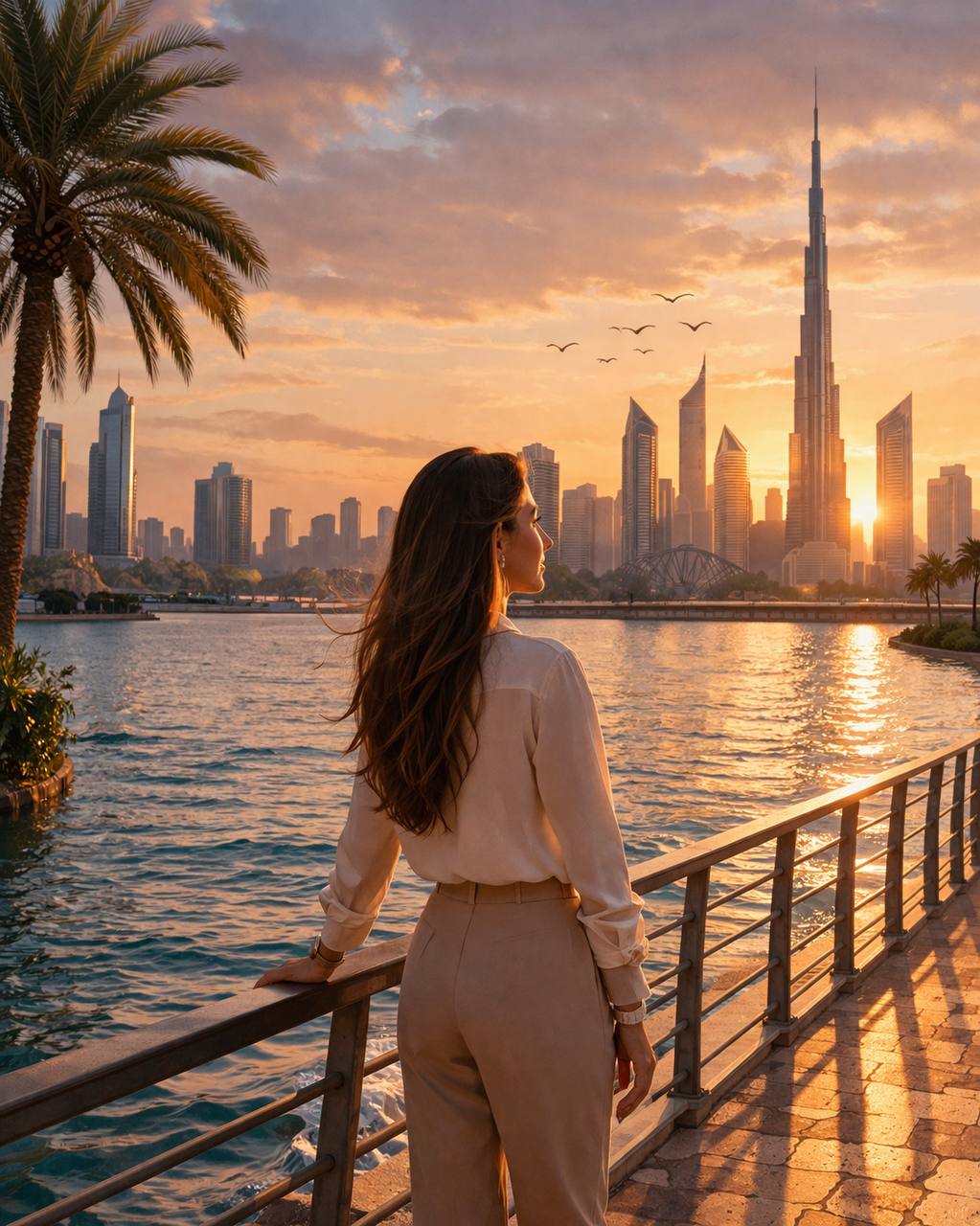
Diwali is no longer just a Hindu festival. Today, it’s celebrated in dozens of countries -from Dubai to London, Toronto to Singapore – where it has become a true festival of light. In the UAE, for example, streets shine with decorations, malls host themed events, and some schools or companies even add extra holidays so families can celebrate together. For many, it’s the Indian New Year – a symbol of renewal and a fresh start.
Five Days of Light
Diwali lasts several days, and each one carries its own meaning and spirit.
Although the exact dates change with the lunar calendar, the sequence remains the same every year.

Day One – Dhanteras
The festival begins with shopping and renewal.
People buy everything they’ll need for the coming celebrations – lamps, garlands, sweets, and decorations.
Traditionally, they also buy gold, a symbol of prosperity.
Markets are lively and colorful, and it’s believed that any purchase made on this day brings good fortune to the home.
Day Two – Choti Diwali
A day for home preparations. Women make traditional sweets, while colorful rangoli patterns appear at the doorsteps – drawn from powders, rice, or flower petals.
These designs are meant to welcome good luck into the house. By evening, streets sparkle with light, and families exchange the first gifts and treats.
Day Three – Diwali
The main night of the festival.
Families perform puja – a ritual of worship to the goddess Lakshmi and the god Ganesha, asking for prosperity and protection.
After the prayers, homes are lit with lamps, guests are welcomed, and the night fills with songs, dancing, and games of cards.
Winning that night is said to bring luck for the entire year.
Day Four – Govardhan Puja
This day is dedicated to Lord Krishna.
According to legend, he lifted Mount Govardhan to shelter people from the rain.
In gratitude, families prepare vegetarian offerings.
Even restaurants that usually serve meat switch to a purely vegetarian menu for the day.
Day Five – Bhai Dooj
The final day of Diwali honors the bond between brothers and sisters.
Sisters invite their brothers for a meal, offering sweets and blessings for a long life.
Brothers, in return, promise to protect and care for their sisters.
It’s a tender, family- centered end to the festival.
The Meaning of Light
At its heart, Diwali carries a simple truth: light always conquers darkness.
Every lamp is a reminder of the inner flame within each person.
Light is not only the glow of a candle – it’s the ability to see goodness, even in difficult times. That’s why, during Diwali, cities shine brightly and hearts fill with joy.
A Festival That Unites
Today, Diwali brings together people of many faiths and cultures.
It’s celebrated by Hindus, Buddhists, Jains, and Sikhs -each with their own traditions, but all sharing the same spirit of renewal and gratitude.
Wherever you are – in Delhi, Dubai, or Moscow – if you see balconies glowing with tiny lights and neighbors smiling with plates of sweets, you’ll know that Diwali has begun.
A festival that reminds us all: even one small flame can light up the darkest night.





 eWEErything
Leave a comment