Acne is one of the most common skin conditions affecting both teenagers and adults. While the symptoms may look similar, there are important differences between adolescent and adult acne that determine the right approach to treatment and skincare.
How Teenage Acne Differs from Adult Acne
- Age classification: Acne can appear in newborns, teenagers, and adults.
- Severity: Dermatologists distinguish mild, moderate, and severe forms, each requiring a different therapeutic approach.
- Causes: Teenage acne is often linked to hormonal changes and increased activity of the sebaceous glands, while adult acne may be triggered by stress, hormonal imbalance, or improper skincare.
As Professor Larisa Kruglova, Doctor of Medical Sciences, notes:
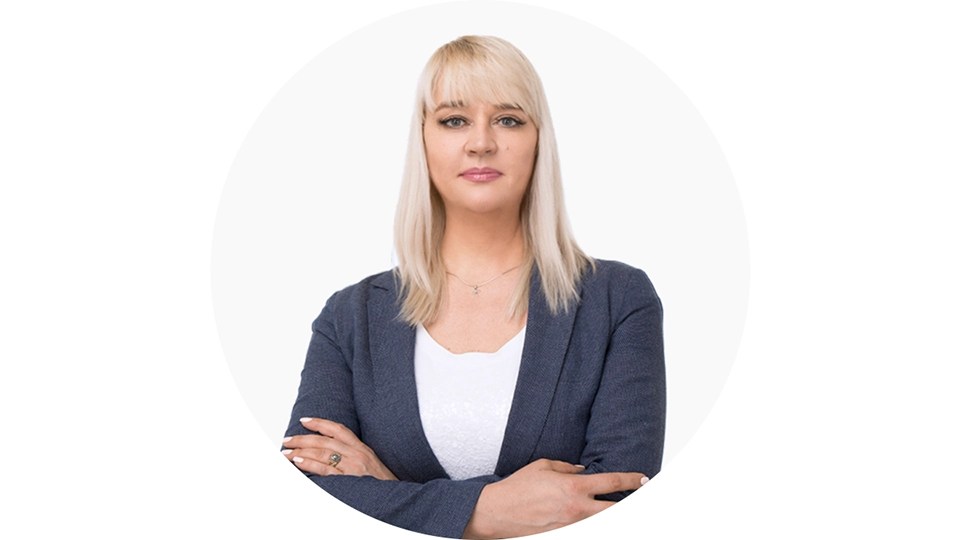
“Depending on age, acne is classified into neonatal, teenage, and adult forms. Teenage acne is further divided into mild, moderate, and severe stages, which guide the choice of therapy.”
Special Considerations for Teen Skincare
Products designed for teenage skin must take into account:
- heightened sebaceous gland activity,
- sensitivity to external factors,
- hormonal fluctuations.
The goal is not only to reduce existing breakouts but also to prevent new ones—without damaging the skin barrier.
Professor Kruglova emphasizes:
“The determining factor in acne treatment is severity. Medications are the same for teenagers and adults, while dermato‑cosmetic products are universal. Their choice depends on the specific problems they address—oily skin, mild acne, hydration during therapy, or sun protection.”

A Thoughtful Approach to Teen Skincare
When choosing skincare, it is essential to consider skin type and acne severity. For teenagers, products should:
- gently cleanse,
- regulate sebum production,
- prevent new inflammation.
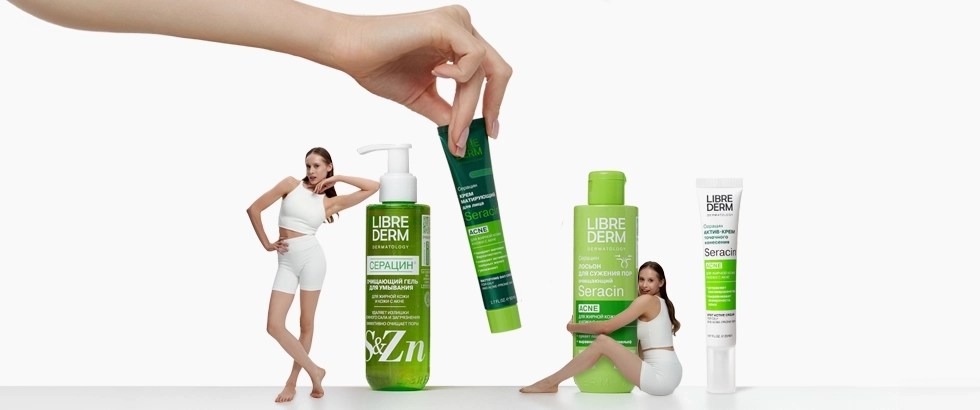
Librederm’s Seracin line was developed with dermatologists to meet these needs:
- Cleansing Gel — deeply cleanses pores without overdrying.
- Deep Cleansing Lotion — removes impurities, tightens pores, reduces inflammation risk.
- Mattifying Cream — controls sebum, hydrates, and protects against new breakouts.
Key Ingredients to Look For
| Sulfur | Zinc | Niacinamide | Azeloglycine |
| antibacterial, reduces sebaceous activity. | regulates sebum, prevents shine and new acne. | calms skin, reduces inflammation, strengthens the barrier. | combines hydration and anti‑inflammatory action; a new‑generation water‑soluble azelaic acid. |
Ingredients to Avoid
Teen skin is sensitive, so avoid aggressive alcohols and strong fragrances that can irritate or worsen acne.
Step‑by‑Step Care Routine
- Cleansing — remove impurities and excess sebum; include deep cleansing to renew skin cells.
- Toning — restore balance and prepare skin for further care.
- Targeted care — spot treatments with serums or active creams.
- Hydration & Mattifying — even oily skin needs hydration to stay healthy.
Product Overview: Librederm Seracin
- SERACIN Cleansing Gel (400 ml) — gentle daily cleansing, prevents new breakouts.
- SERACIN Foam for washing delicate (160 ml) — gentle cleanses oily skin of impurities, excess sebum and makeup.
- SERACIN DUO corrective cream gel (40 ml) – for problem skin is intended for oily problem skin prone to the frequent appearance of imperfections
- SERACIN Moisturizing normalizing serum with anti-relapse effect (50 ml) – Ultra-moisturizing serum to restore skin that is dry as a result of active acne therapy.
Conclusion
Teenage acne requires a careful, comprehensive approach. With the right products—gentle cleansers, sebum regulators, and hydrating formulas—teenagers can effectively manage acne without harming their skin. Librederm’s Seracin line offers clinically tested solutions that combine efficacy with gentle care, making them ideal for young, sensitive skin.
Shop now at librederm.ae






 eWEErything
Leave a comment