
In our previous article — From Cart to Table: Creating Meals with Smart Grocery Choices we explored the smart grocery shopping. Now, let’s transform those purchases into versatile dishes that maximize cooking options and variety.
Now that the shopping list is complete, what can you do with all these ingredients?
Take vegetables and proteins and combine them! Yes, you can mix and match just like that.
Here are some ideas and techniques to get you started:
Baking
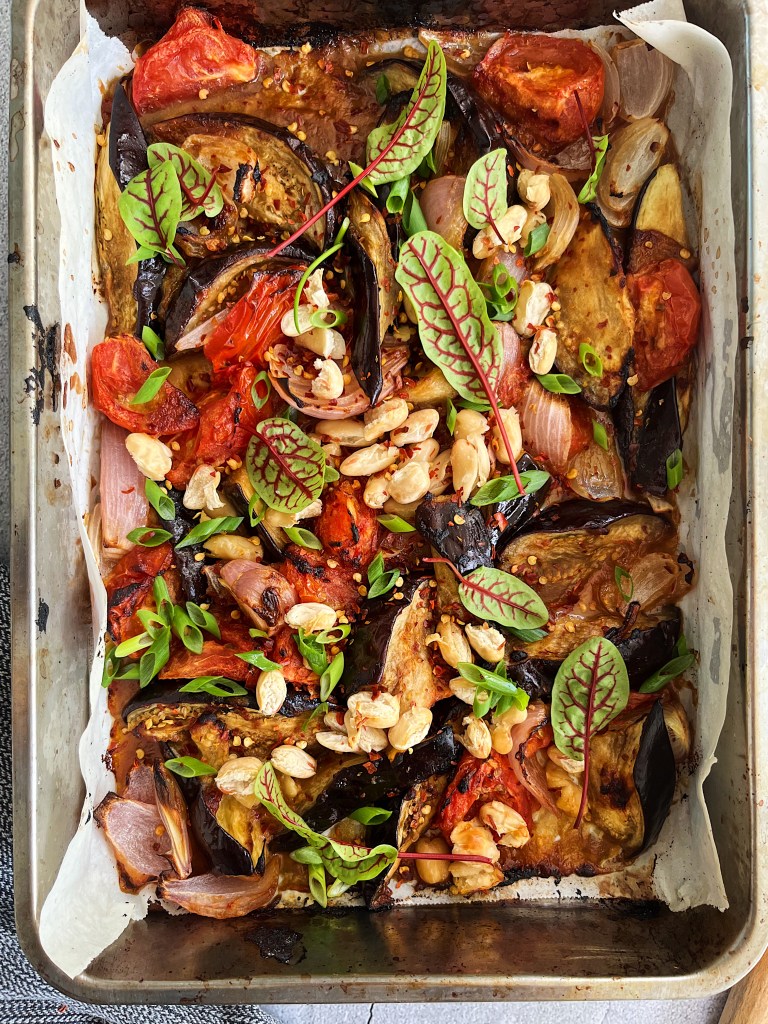
Arrange cauliflower, carrots, potatoes, mushrooms, and peppers on a baking tray. Drizzle with olive oil and sprinkle with your favorite spices. Bake at 200°C for 20 minutes, and you’ll have a delicious side dish ready. Canned beans like chickpeas also work wonderfully; toss them on the tray alongside pumpkin or cauliflower.
Frying
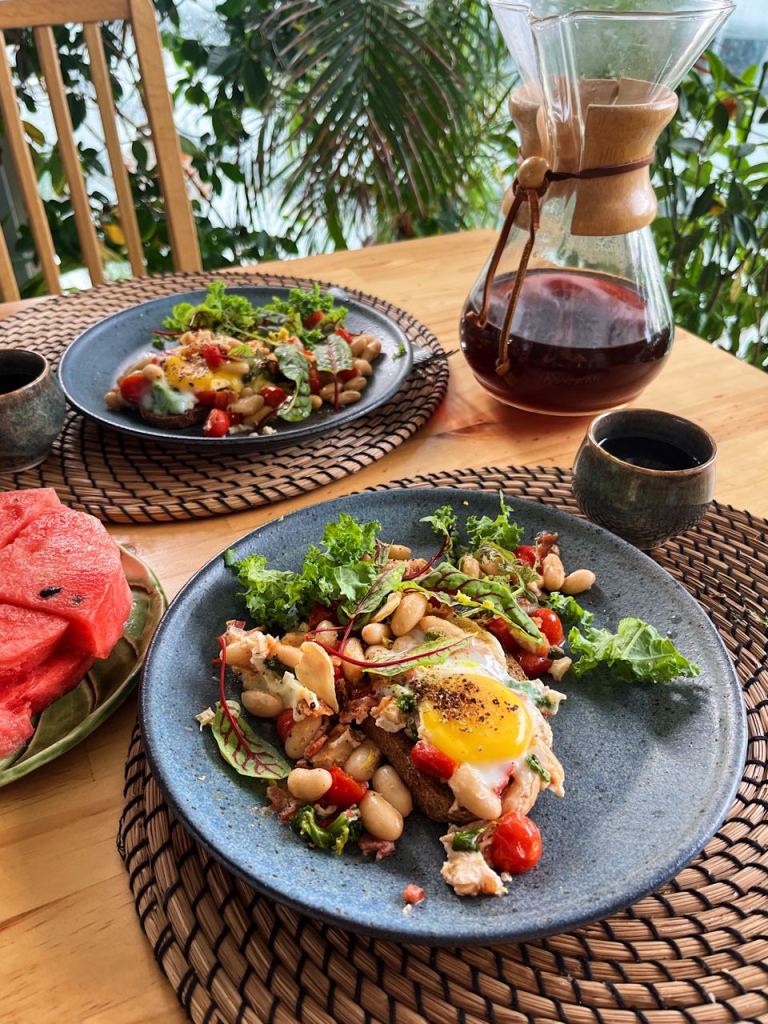
Quickly stir-fry zucchini, green beans, cherry tomatoes, and asparagus. Combine with boiled potatoes, baked pumpkin, chicken, fish, or eggs.
Boiling
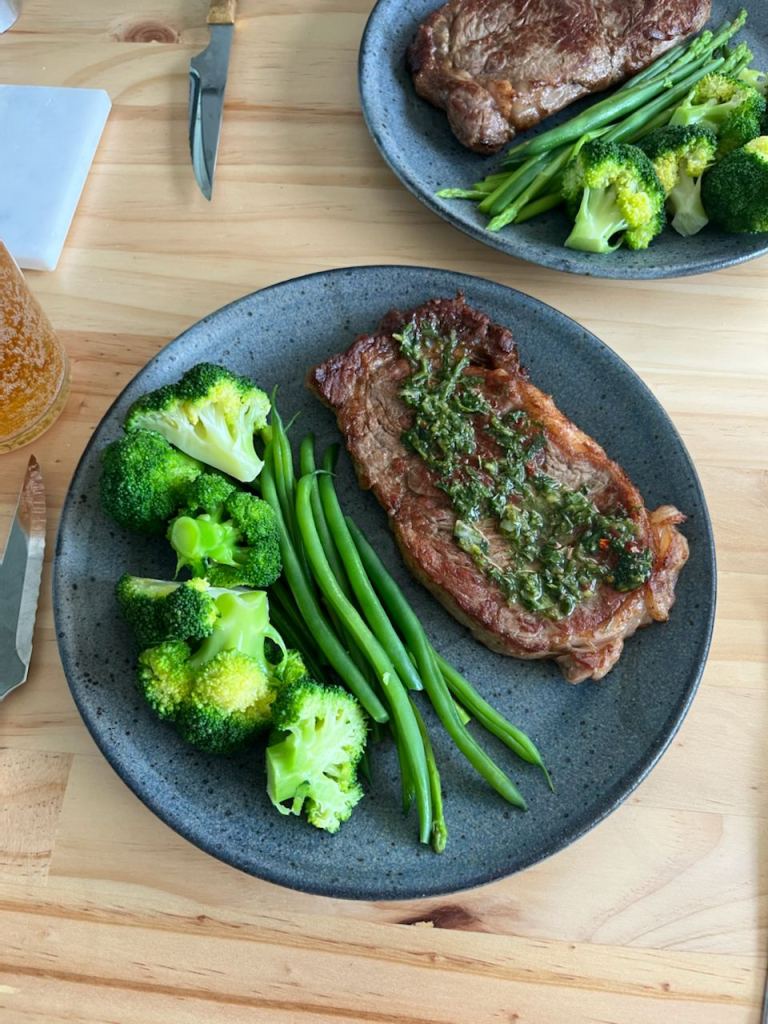
Cauliflower, broccoli, and green beans are perfect when boiled for just 3–5 minutes. They can serve as the foundation for a side dish, salad, or even a complete main course.
Combine Raw and Baked Vegetables
Create a hearty main dish salad by combining a can of beans with fresh greens, feta cheese, and baked carrots. For variety, try using lentils instead of beans, or substitute baked or roasted eggplant for the carrots in your next salad.
Chop Up Raw Veggies
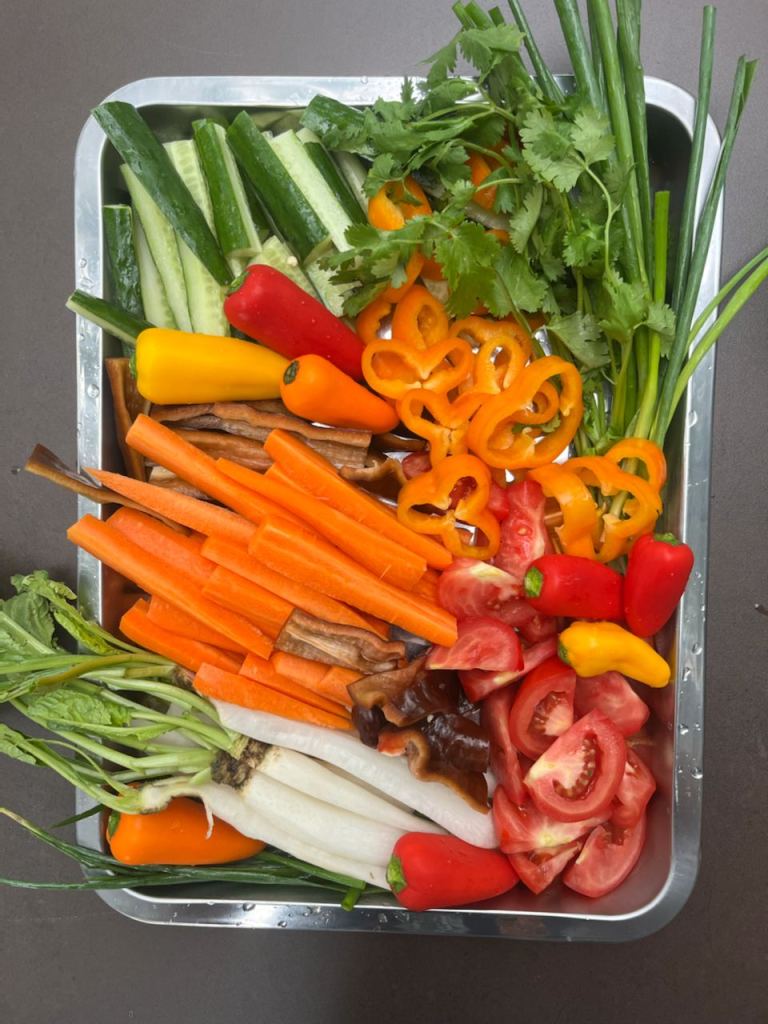
Slice carrots, cucumber, tomato, and pepper into strips and serve them alongside baked or roasted chicken or fish.
Assemble the Bowls
Prepare a batch of quinoa to use as a base for several days. Top it with lettuce, salmon fillet, or canned tuna, and a drizzle of lemon juice and olive oil. Customize your bowls with any proteins and veggies you have available.
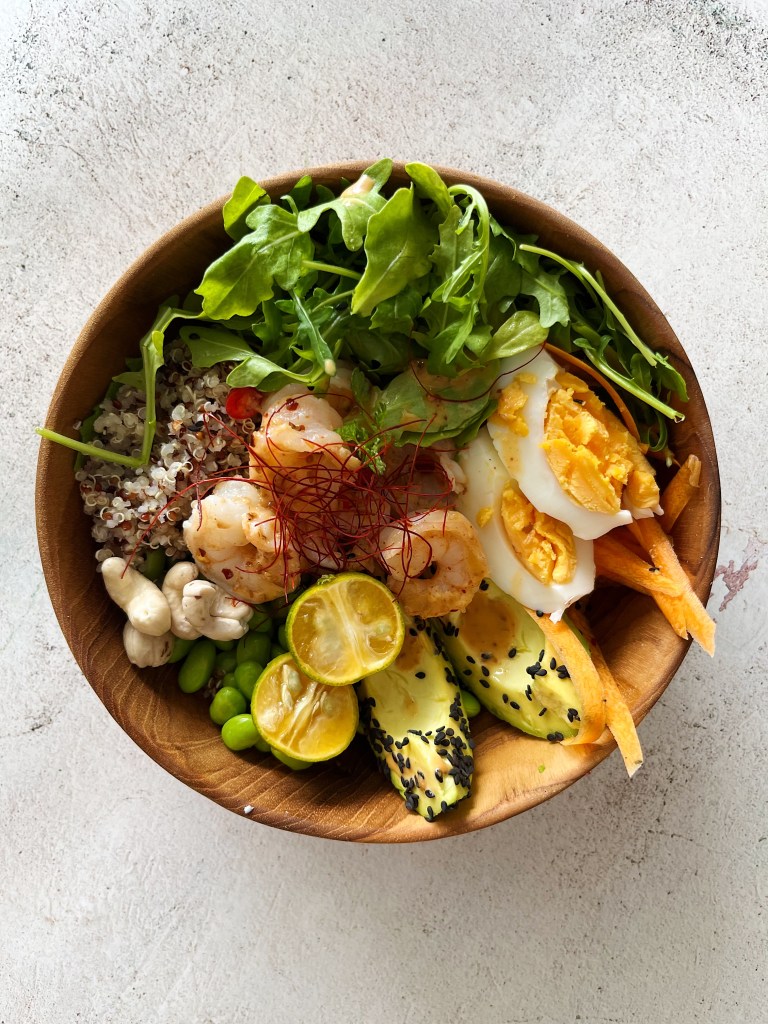
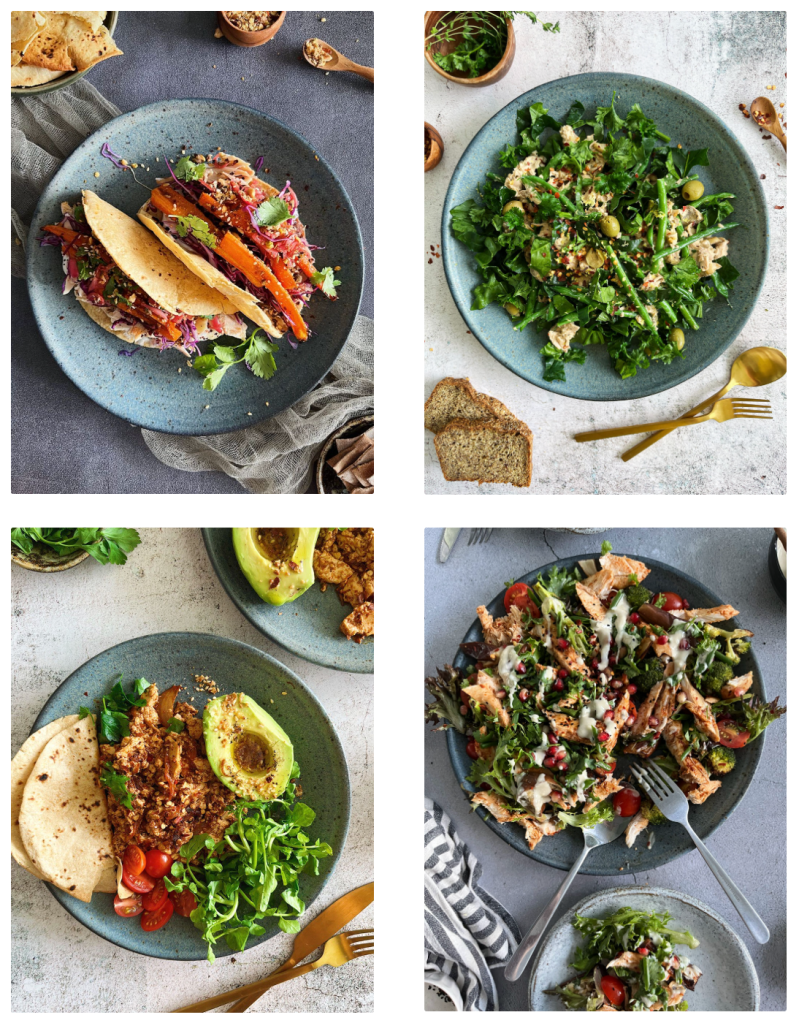
I combine ingredients based on what’s in my fridge, creating dishes like these. The vegetables in these photos are nearly identical, varying only in their preparation and presentation alongside other ingredients:
Key Principles
- Skip the predefined menu and embrace creativity.
- Boost your vegetable intake by choosing a variety of colors.
- Incorporate different protein options.
- Experiment with combinations of proteins, grains, and vegetables.
- Opt for carbohydrates with a low to medium glycemic index.
- Enhance dishes with seeds and nuts for added visual appeal and nutritional benefits, including cholesterol management.
Follow my Instagram and YouTube for daily meal prep inspiration and quick recipes!

Hi, I’m Tonya, a former IT girl turned Nutrition Coach, passionate about creating healthy, exciting, and Instagram-worthy meals.
Diagnosed with Type 1 Diabetes at 30, I understand the challenges of managing blood sugar and test all my recipes with a Continuous Glucose Monitor (CGM) to ensure they fit a smart-carb lifestyle. Subscribe to my channel for delicious, diabetes-friendly recipes and tips on incorporating more vegetables into your diet.







 eWEErything
Leave a comment