
Nutrition is a hot topic, with many opinions and trends. Some people swear by gluten-free diets, while others find success with intermittent fasting or keto.
I’ve always loved cooking, and over the past two years, I’ve focused on healthier recipes, cutting back on sugar, which sneaks into almost everything! This shift was a smart move, especially when I was diagnosed with type 1 diabetes. Thankfully, I didn’t have to overhaul my diet entirely—just fine-tune my carb choices.
I believe demonizing food can lead to eating disorders, so I promote understanding and balance. Nourishing your body and building healthy habits is an investment your future self will appreciate.
In this article, I’ll share how I plan my meals and groceries for the week, focusing on balanced nutrition.
The Harvard Plate Method
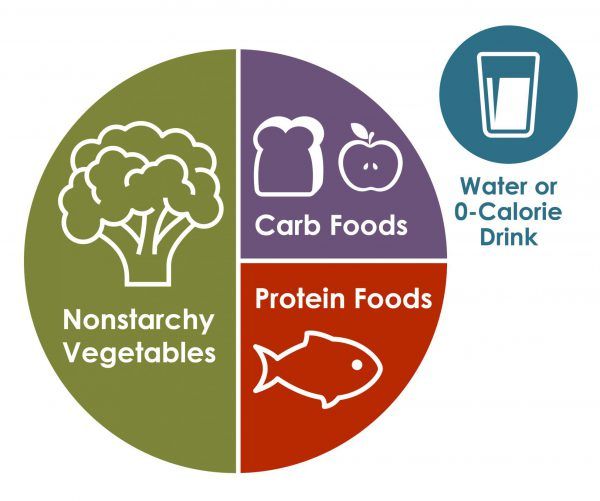
Let’s start with the Harvard Plate Method. Created for those with diabetes, helps individuals choose foods in the right proportions of macronutrients and manage blood glucose, which is also very helpful for people without diabetes.
While we know the importance of protein, fat, and carbohydrates, most of us don’t track them daily. Before my diagnosis (Type 1 Diabetes), I thought my diet was balanced. But tracking revealed I was overloading on carbs — sweet fruits, croissants, potatoes, rice, and noodles. These aren’t bad foods, but I needed a better balance.
Here’s how to use a 20-22 cm plate to balance nutrients:
Fill 1/2 the plate with non-starchy vegetables:
- Zucchini
- Cabbage (all types and colors)
- Asparagus
- Cucumbers
- Carrots
- Mushrooms, tomatoes, eggplant, etc
1/4 of the plate for protein:
- Meat
- Poultry
- Seafood and fish
- Nuts
- Cheese, tofu, cottage cheese
- Lentils, hummus, falafel
- Eggs
1/4 of the plate for carbohydrates:
- Rice, buckwheat, and other grains
- Potatoes, yams, pumpkin
- Red beans, peas
- Milk, yogurts, and milk substitutes
- Fruit
Why the Plate Method is Great for Meal Planning
No need for a pre-set menu!
You can mix and match meals using the list below. I’ll share my shopping list to help create a weekly menu using this method.
Creating Your Shopping List
Creating a well-balanced shopping list is the first step toward preparing nutritious meals. By carefully selecting a variety of fresh and wholesome ingredients, you can ensure that your meals are not only delicious but also rich in essential nutrients. Remember, a diverse grocery list helps keep your diet exciting and prevents you from falling into a monotonous eating routine.
Vegetables and Fruits: The Rainbow Principle
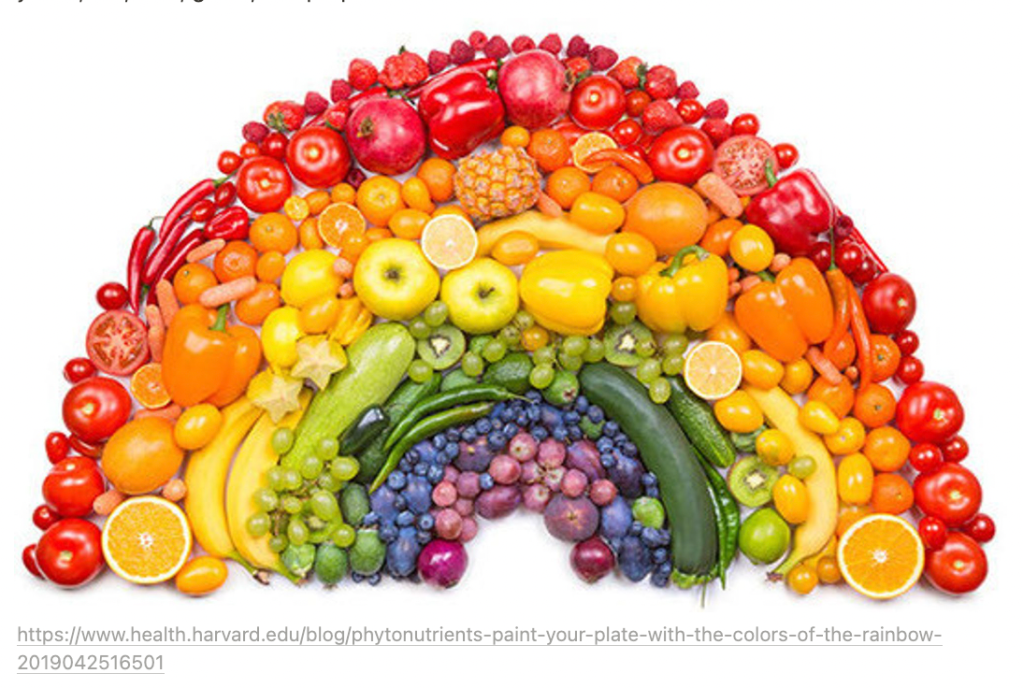
Start by adding vegetables and some fruits to your cart since they make up half your plate.
Vegetables can be hearty sides or light salads. Make sure to have options for both.
Examples:
Follow the Rainbow principle to get a wide range of nutrients by picking ingredients in colors like white, yellow, red, blue, green, and purple.
- White: mushrooms, cauliflower, daikon
- Yellow: yellow bell peppers, carrots, pumpkin, yams, zucchini, lemons
- Red: tomatoes, pomegranate, radishes, strawberries, raspberries, peppers
- Green: broccoli, zucchini, peppers, celery, salads, savory greens, green beans, peas
- Purple: blueberries, plums, eggplant, radicchio, purple onions
Picking a few options from each color gives you plenty of variety for breakfasts, lunches, and dinners.
Try adding one new vegetable each week to expand your menu and find new favorites.
Create your own fruit and vegetable rainbow from Wee grocery — Vegetables, Fruits&Myshroons.
Proteins
Always include protein in your basket, especially fish and seafood, which are great to alternate weekly.
For example, one week could be beef, chicken, and salmon, and the next could be turkey, sea bass, calamari, or pork.
Add different cheeses to vary breakfasts and main meals. I often include cheeses like feta or mozzarella for snacks, frying, or sprinkling on salads.
Carbohydrates
The best part about carbohydrates is that they provide essential energy and fiber, which are vital for a healthy diet. To make the most of their benefits, don’t limit yourself to the same products every time. Instead, expand your variety by including different types of carbohydrates in your meals. Explore options like whole grains, legumes, and starchy vegetables to ensure a diverse intake of nutrients. This approach not only keeps your meals exciting but also helps you get a well-rounded mix of vitamins and minerals
Grains
Quinoa is great for salads or bowls. Millet makes delicious porridge with pumpkin and coconut milk. Bulgur pairs well with stewed veggies.
Canned beans are convenient, turning into side dishes or snack dips in minutes—no soaking or long cooking needed. Beans are budget-friendly, and store brands work well. Chickpeas, lentils, and red beans are superfoods, rich in healthy carbs, fiber, and protein.
Check out grains from Wee Grocery — Grains
Nuts and Seeds
Nuts and seeds elevate any dish and make Instagram-worthy meals. They’re also a great snack alternative to sweets.
Create your seed blend (think sesame, sunflower, flax, and pumpkin) and sprinkle it over salads, breakfast bowls, or yogurt. Full of healthy fats, they help keep cholesterol in check. Their textures—soft, firm, and crunchy—add a fun twist to any salad.
Add some nuts for a crunchy twist from Wee Grocery — Nuts & Seeds
Sauces
What can add some flair to any dish?
- Greek yogurt
- Mustard
- Lemon juice
- Lime juice
- Sesame oil
- Pomegranate sauce
- Soy sauce
Finish with flavorful spices and sauces from Wee Grocery — Condiments and spices
I cook almost every day and eat out twice a week. My typical shopping basket for 7-10 days, feeding two people, includes:
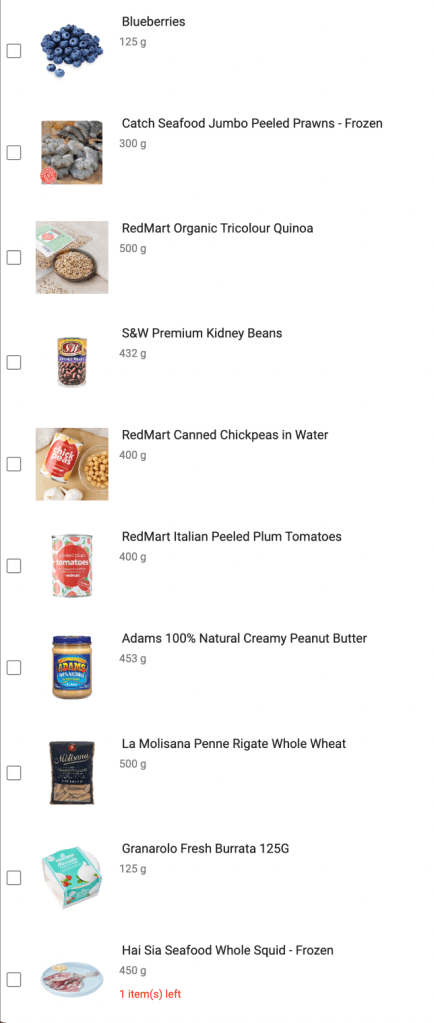
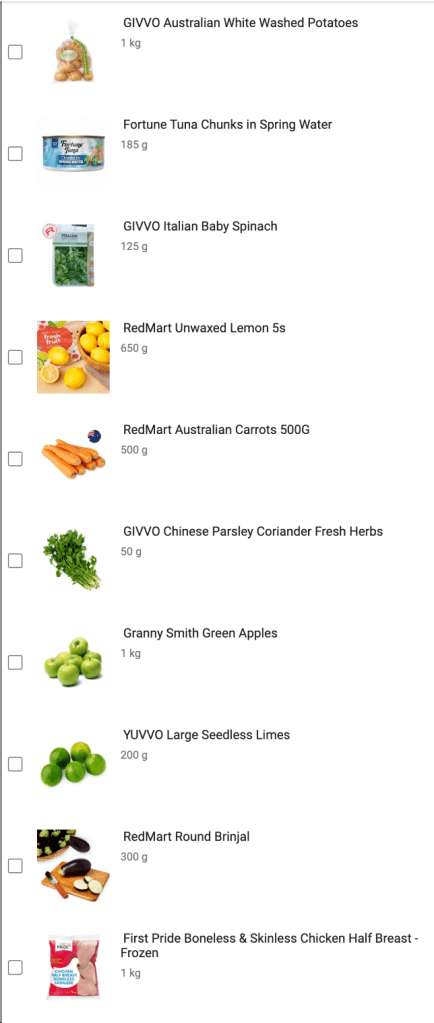
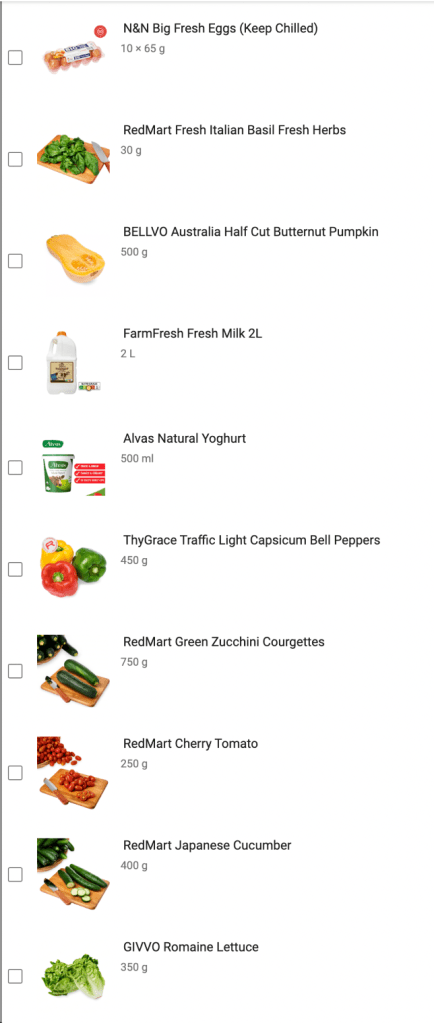
In the next article, I’ll demonstrate how to create dishes using the items in the cart above. Before that, learn how to make smart meal preps, as described in my previous post — Meal Prepping and Why It Works Wonders
Follow my Instagram and YouTube for daily meal prep inspiration and quick recipes!

Hi, I’m Tonya, a former IT girl turned Nutrition Coach, passionate about creating healthy, exciting, and Instagram-worthy meals.
Diagnosed with Type 1 Diabetes at 30, I understand the challenges of managing blood sugar and test all my recipes with a Continuous Glucose Monitor (CGM) to ensure they fit a smart-carb lifestyle. Subscribe to my channel for delicious, diabetes-friendly recipes and tips on incorporating more vegetables into your diet.








 eWEErything
Leave a comment