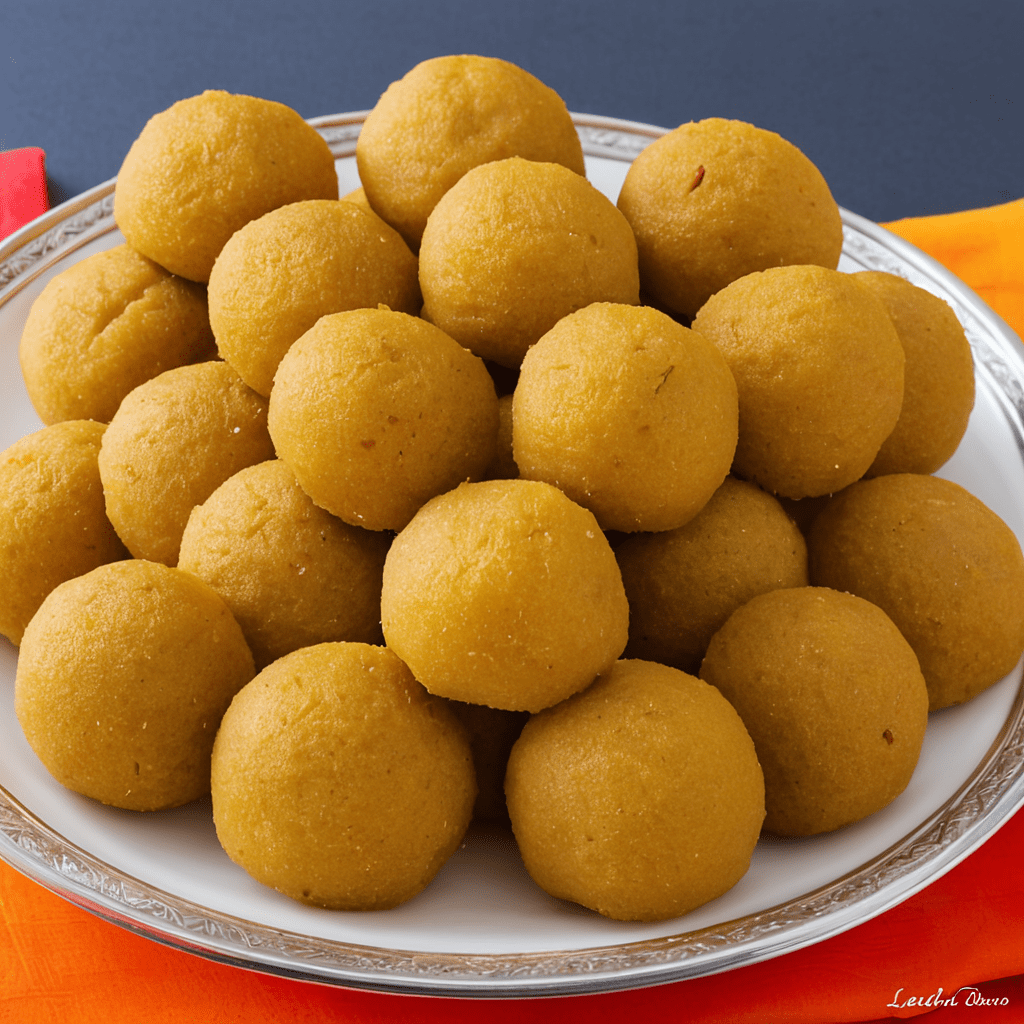
Traditional meals for Diwali, the festival of lights celebrated by Hindus, vary based on regional and cultural traditions. However, there are some common dishes that are typically enjoyed during this festive occasion. Today let’s look into traditional sweets and desserts.
Diwali is known for its wide array of sweets and desserts, such as ladoos, jalebi, barfi, and kheer. These sweet treats symbolize the celebration and joy of the festival.

Ladoo
Ladoo is a popular and traditional Indian sweet made during festive occasions like Diwali. It is a round, sweet ball made from various ingredients such as flour, gram flour (besan), semolina (sooji), coconut, and nuts, and is typically flavored with cardamom, saffron, or rose water. Ladoos can have different textures and flavors based on the ingredients used.
Here is a simple recipe for Besan Ladoo, a popular variety of ladoo:
Ingredients:
- 1 cup besan (gram flour)
- 1/2 cup ghee (clarified butter)
- 1/2 cup powdered sugar
- 1/4 teaspoon cardamom powder
- 2-3 tablespoons chopped nuts (almonds, cashews, pistachios)
Instructions:
- Heat ghee in a heavy-bottomed pan over low heat.
- Add besan to the pan and roast it on low heat, stirring continuously, until it turns golden brown and you can smell a nutty aroma. This process can take around 10-15 minutes.
- Once the besan is roasted, turn off the heat and let it cool to room temperature.
- Add powdered sugar, cardamom powder, and chopped nuts to the roasted besan and mix well.
- Take small portions of the mixture and shape them into round balls (ladoos) by gently pressing and rolling them between your palms.
- Repeat with the remaining mixture to make all the ladoos.
- Garnish with more chopped nuts if desired.
- Allow the ladoos to cool and set before serving.
Other popular varieties of ladoo include:
- Motichoor Ladoo: Made from tiny fried gram flour balls soaked in sugar syrup and then shaped into ladoos.
- Coconut Ladoo: Made with desiccated coconut, condensed milk, and cardamom.
- Rava Ladoo: Made with semolina, ghee, sugar, and nuts.
- Dry Fruit Ladoo: Made with a mixture of assorted dry fruits like dates, figs, nuts, and seeds.
You can experiment with different ingredients and flavors to create your own unique variations of ladoos. Enjoy making and sharing these delicious sweet treats during Diwali or any other festive occasion!

Jalebi
Jalebi is a popular Indian sweet that is made by deep-frying a wheat flour batter in pretzel or circular shapes, which are then soaked in sugar syrup. Jalebi is known for its bright orange color and its crispy, syrupy texture.
There are a few different varieties of jalebi that you might come across:
- Traditional Jalebi: This is the most common type of jalebi, made using the recipe mentioned above.
- Kesar Jalebi: Kesar means saffron, and this jalebi is infused with saffron to give it a unique flavor and vibrant color.
- Pistachio Jalebi: This variety of jalebi is garnished with crushed pistachios, adding a crunchy and nutty element to the sweet treat.
- Chocolate Jalebi: A modern twist on the traditional jalebi, where the jalebi is drizzled with chocolate sauce or made with chocolate-flavored batter.
- Rabri Jalebi: In this variation, jalebis are served with rabri, a sweet, creamy, condensed-milk-based dessert.
To cook traditional jalebi, you can follow the recipe provided above. If you want to try a different type of jalebi, you can incorporate the specific ingredients or flavors mentioned above while making the batter or syrup. Enjoy experimenting with different variations of this delicious sweet!

Barfi
Barfi, also known as burfi, is a popular Indian sweet that is made with condensed milk, sugar, and other ingredients like nuts, flavors, and dried fruits. Barfi has a fudge-like consistency and comes in various flavors and shapes. It is often garnished with nuts or edible silver foil for decoration.
There are many types of barfi, with some of the most common variations including:
- Kaju Barfi: Made from cashew nuts and is one of the most popular varieties of barfi.
- Pista Barfi: This type of barfi is made using pistachios and has a distinctive green color and flavor.
- Coconut Barfi: Prepared with fresh or desiccated coconut, this barfi has a rich coconut flavor.
- Besan Barfi: Made from chickpea flour (besan), this barfi has a slightly different texture compared to other varieties.
- Badam Barfi: Almond-based barfi that is nutty and flavorful.
Here’s a general recipe for making barfi:
Ingredients:
- 2 cups full-fat milk powder
- 1 cup condensed milk
- 1/4 cup ghee (clarified butter)
- 1/4 cup milk
- Nuts, flavors, or dried fruits of your choice (optional)
Instructions:
- Heat ghee in a non-stick pan and add milk powder. Stir continuously on low heat until the milk powder changes color slightly.
- Add condensed milk and milk to the pan. Mix well to ensure there are no lumps.
- Cook the mixture on low heat, stirring continuously until it thickens and starts leaving the sides of the pan. This may take around 10-15 minutes.
- Add any nuts, flavors, or dried fruits at this stage if desired.
- Pour the mixture into a greased tray and spread it evenly.
- Allow it to cool and set for a few hours. Once set, cut it into desired shapes and sizes.
Enjoy your homemade barfi! Experiment with different flavors and ingredients to create unique variations of this delightful Indian sweet.

Kheer
Kheer, also known as rice pudding, is a popular Indian dessert made by cooking rice with milk and sugar. It is flavored with cardamom, saffron, nuts, and sometimes rose water. Kheer has a creamy and rich consistency and is often served warm or chilled.
Here’s a basic recipe for making traditional rice kheer:
Ingredients:
- 1/2 cup basmati rice
- 4 cups whole milk
- 1/2 cup sugar (adjust to taste)
- 1/4 cup mixed nuts (almonds, cashews, pistachios), chopped
- 1/2 tsp cardamom powder
- Saffron threads (optional)
- Raisins (optional)
- Ghee (clarified butter) for frying the nuts
Instructions:
- Rinse the rice under running water until the water runs clear. Soak the rice in water for about 30 minutes.
- In a heavy-bottomed pan, bring the milk to a boil.
- Drain the soaked rice and add it to the boiling milk. Keep stirring to prevent sticking.
- Cook the rice on low heat until it is soft and the milk has reduced to a creamy consistency, stirring occasionally. This may take around 30-45 minutes.
- Add sugar, cardamom powder, and saffron threads. Mix well and cook for an additional 5-10 minutes.
- In a separate pan, heat ghee and fry the nuts until golden brown. Add the nuts to the kheer along with raisins.
- Remove the kheer from heat and let it cool slightly before serving.
There are many variations of kheer, with different ingredients and flavors. Some popular types of kheer include:
- Sabudana Kheer: Made with tapioca pearls instead of rice, especially popular during fasting days.
- Paal Payasam: South Indian version of kheer made with rice, milk, and jaggery.
- Seviyan Kheer: Vermicelli kheer flavored with cardamom and garnished with nuts.
- Carrot Kheer: Made with grated carrots, milk, and sugar.
- Badam Kheer: Almond-based kheer that is rich and creamy.
- Makhana Kheer: Made with fox nuts (makhana) and milk, a popular choice during festivals.








 eWEErything
Leave a comment