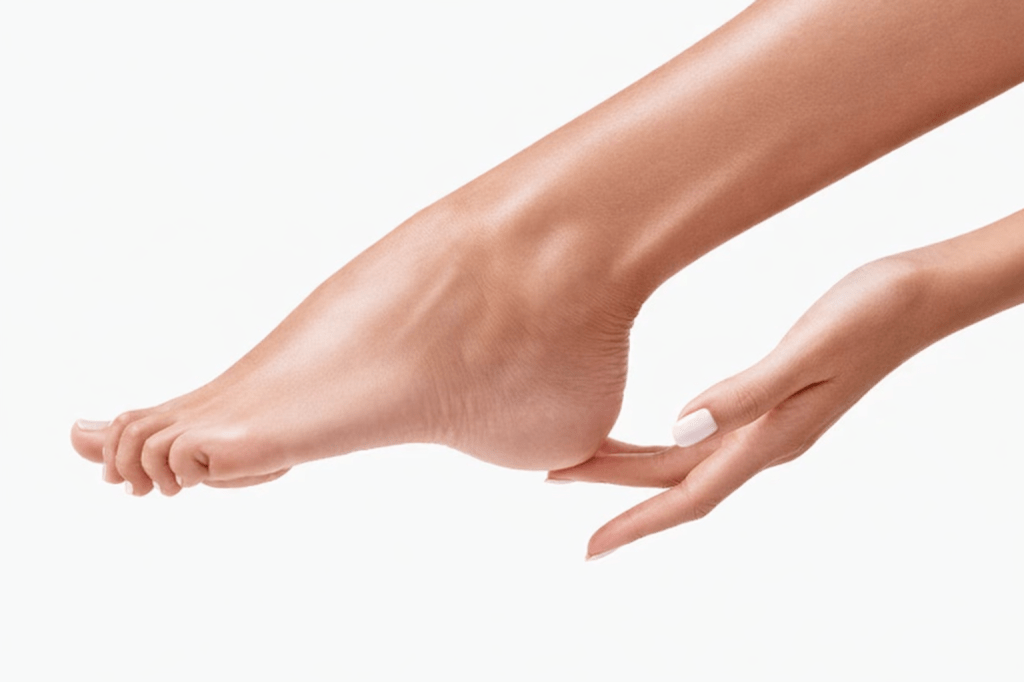
Dry skin on the legs is a common concern, especially around the shins and feet. If you’ve noticed tightness, flaking, or rough patches, you’re not alone — and there’s a scientific reason behind it.
Why the Skin on Legs Gets Dry
Unlike other areas of the body, the skin on your legs has very few sebaceous glands. These glands produce sebum, which forms a natural protective barrier that locks in moisture. Without enough of this protection, the skin loses hydration much faster.
Over time, this leads to:
- Rough texture
- Flaking and peeling
- Thickened skin (hyperkeratosis)
External factors can make things worse. Hard water, temperature changes, dry indoor air, and air conditioning all weaken the skin barrier and increase moisture loss. On top of that, frequent use of harsh soaps or alkaline cleansers strips away the remaining natural lipids.
Internal factors also play a role. Nutrient deficiencies (like vitamins A, E, and omega-3 fatty acids), hormonal changes, aging, and poor circulation can all reduce the skin’s ability to stay hydrated and healthy.
What to Do About Dry Skin on Your Legs
Restoring soft, healthy skin requires a consistent and gentle routine focused on hydration and barrier repair.
1. Switch to Gentle Cleansing
Avoid harsh soaps that disrupt the skin barrier. Instead, use a mild cleanser that respects your skin’s natural balance.
Try: Cerafavit Soothing Shower Gel
This gentle formula cleanses without stripping moisture, helping prevent tightness and irritation — ideal for dry and sensitive skin.
2. Moisturize Immediately After Showering
The best time to apply moisturizer is right after bathing, when the skin is still slightly damp and more receptive to active ingredients.
Look for products with:
- Ceramides and lipids
- Natural oils (like shea or jojoba)
- Barrier-supporting ingredients
Try: CERAFAVIT Lipid-replenishing wash cream-gel
It helps restore the skin’s natural barrier, reduces moisture loss, and supports long-term hydration.
3. Add Intensive Care When Needed
If your skin feels dry or irritated, especially in colder months, richer textures can provide deeper nourishment.
Try: Cerafavit Lipid-Restoring Balm
This intensive formula delivers essential fatty acids and creates a protective shield against environmental stressors.
4. Don’t Forget Your Feet
Feet often need extra attention due to thicker skin and frequent pressure.
Use products with urea (a natural moisturizing factor) to soften and hydrate:
- Lower concentrations for daily care
- Higher concentrations for rough, thickened skin
Regular gentle exfoliation (once a week) can also improve results — just avoid aggressive scrubbing.
5. Support Your Skin from Within
Healthy skin starts from the inside. Make sure your diet includes:
- Vitamin A (carrots, pumpkin)
- Vitamin E (nuts, oils)
- B vitamins (whole grains, eggs)
- Omega-3 fatty acids (fish, flaxseed)
Also, choose breathable footwear and protect your skin from cold and wind.
The Key to Smooth, Healthy Skin
Dry skin on the legs isn’t something that disappears overnight. But with the right routine and consistent care — including dermatological solutions like the Cerfavit line — you can restore hydration, comfort, and a healthy glow.
Your skin deserves daily care — and it will show.







 eWEErything
Leave a comment